
by
Kolento Hou
6 mins read
Two hundred years ago, it was perfectly normal for five-year-olds to haul coal carts in mines. Then the steam engine arrived. Machines replaced children’s labor, children were sent to school, and we realized something new: childhood isn’t a waiting room for adulthoo, it’s a distinct life stage with its own logic. Before children were freed, we never even knew this was true.
So a parallel question appears: if we no longer need to sell the clearest hours of our lives to repetitive work, what does “adulthood” become? Is there a life stage we don’t yet have a name for, one that work has compressed for millennia, so we’ve never seen what it looks like when it’s allowed to unfold?
I wrote an article trying to fill in that blank.
In medieval European paintings, children were routinely depicted as shrunken adults.
Same body proportions. Same facial expressions. Even the same muscle definition. Historian Philippe Ariès documented this phenomenon extensively in Centuries of Childhood: a twelfth-century Ottoman miniature showing Jesus calling the little children depicts eight clearly adult men surrounding him, just scaled down.
An eleventh-century French miniature of the three children resurrected by Saint Nicholas shows the same thing, proportionally reduced adults, without a single feature that reads as childlike.
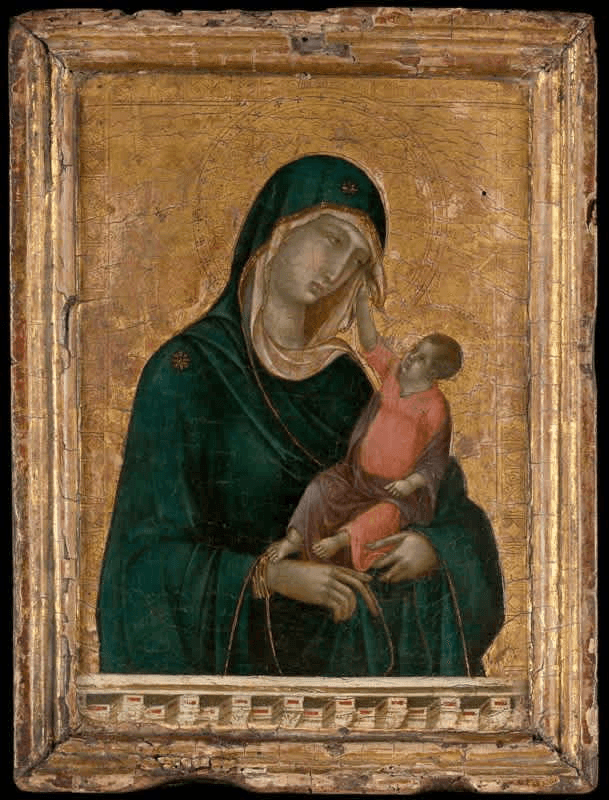
This wasn't just bad technique. Before the modern era, "childhood" as an independent stage of life, with its own logic, deserving of special attention, simply hadn't been recognized. The boundary between adult and child was blurry. Children entered the adult world early, sharing the same games, the same social spaces, the same labor. People loved their children. But no one thought childhood itself was a distinct state with unique value—one that needed to be protected.
Then industry arrived. But what it first brought was not liberation. It was intensification.
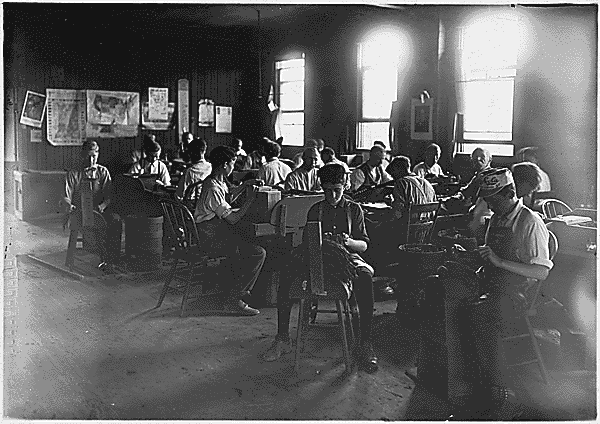
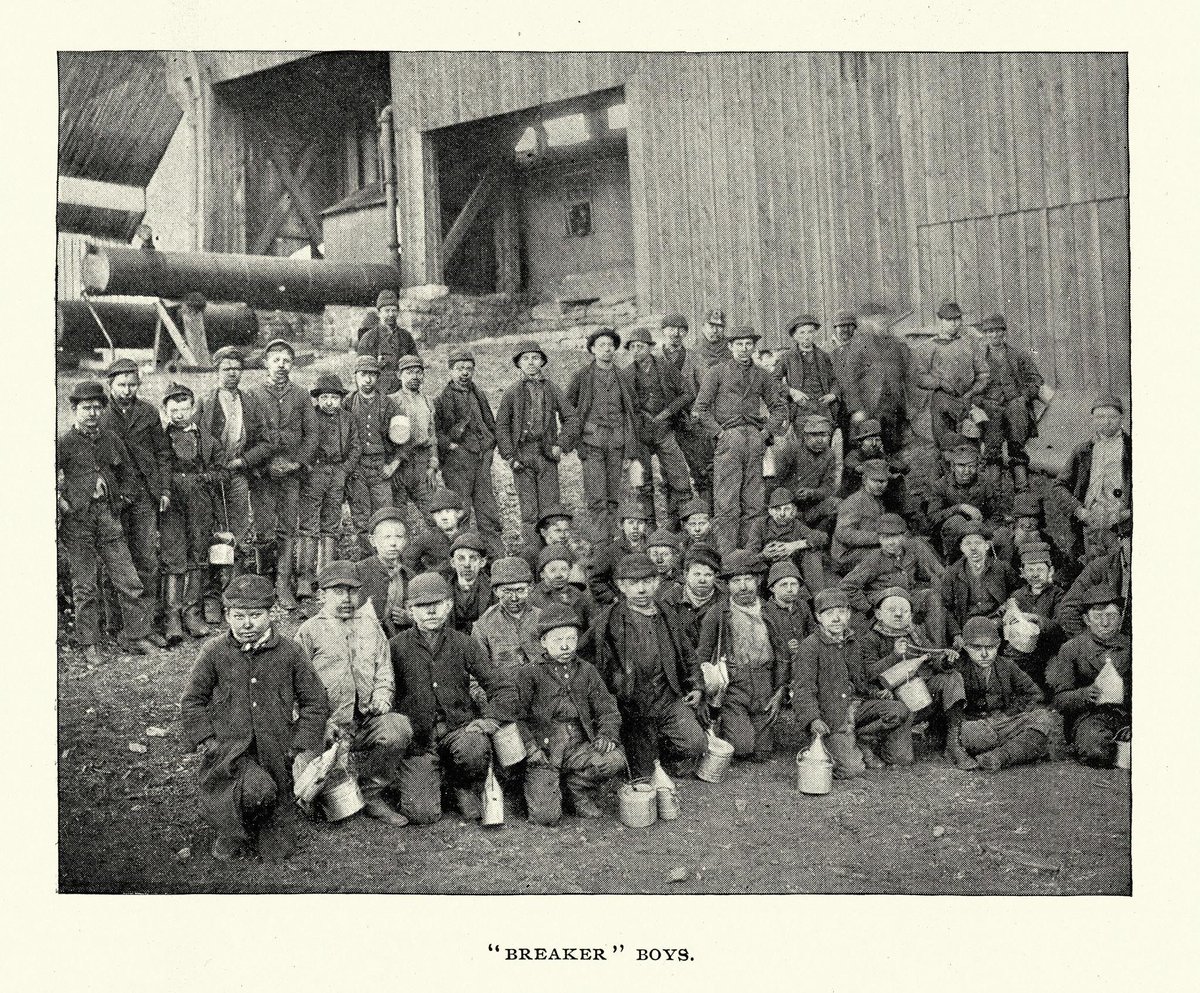
In traditional agricultural societies, children helped with farmwork from age five or six. That was already the norm. The Industrial Revolution pushed this norm to its extremes. In late eighteenth-century England, textile mills and coal mines employed children en masse, four- and five-year-olds crawling under machines to clear lint, dragging coal carts through tunnels only sixteen inches high, working twelve-hour days.
In 1788, two-thirds of the workers in 143 water-powered cotton mills across England and Scotland were children. Employers preferred them because they were cheap, earning only 10 to 20 percent of an adult man's wage, and small enough to fit into spaces adults couldn't enter.
The decline of child labor didn't happen on its own. It was a long, hard-fought social transformation driven by multiple forces. On one side, relentless effort from reformers and unions: from Britain's first Factory Act in 1802, to the Mines Act of 1842 banning children under ten from working underground, to the United States' two federal child labor laws, both passed and both struck down by the Supreme Court, until the Fair Labor Standards Act of 1938 finally ended factory and mine labor for children at the national level.
On the other side, economic growth created room for choice: real wages rose, families no longer depended on their children's income, mechanization replaced simple repetitive tasks, and compulsory education laws pulled children out of factories and back into schools.
Moral conviction and material conditions were intertwined. Child labor only truly disappeared when a society had both the consensus that children shouldn't work and the economic foundation that meant they didn't need to.
But the most profound change was not the disappearance of child labor itself. It was what happened after.
When children were no longer needed in factories and mines, a question surfaced: if children aren't working, what are they supposed to do?
That question took over a century to answer. From Rousseau arguing in 1762's Emile that children have their own modes of cognition and rhythms of development, to the Romantic movement reimagining childhood as a unique state of being, to the establishment of developmental psychology in the twentieth century, humanity gradually came to recognize a fact that had been obscured for millennia: childhood is not the waiting room for adulthood. It is an independent developmental stage with its own internal logic.
Children are not "waiting" to become adults. They are going through things that can only happen at that stage.
Developmental psychologist Alison Gopnik uses a framework from computer science to describe this difference. The adult cognitive mode is primarily exploit use known information to make optimal decisions, pick a path, go deep, and extract returns. The child's cognitive mode is primarily explore—try broadly, tolerate waste, remain curious about "useless" things. Her lab research shows that young children, when faced with novel causal systems, sometimes learn faster than adults, precisely because they are more willing to explore rather than rush to exploit what they already know.
Gopnik sees the extraordinarily long human childhood itself as an evolutionary solution—a protected early period of extensive exploration that lays the foundation for efficient exploitation later.
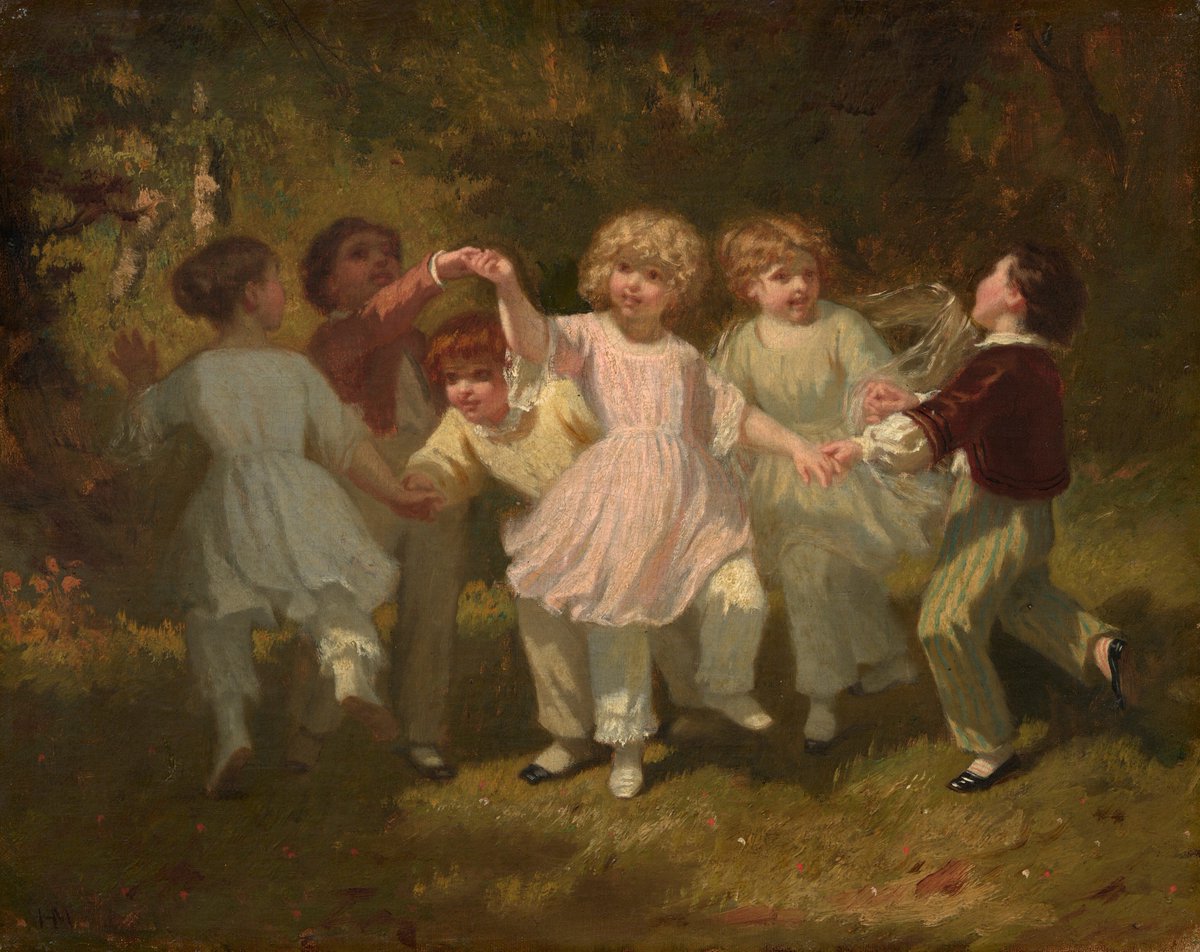
These insights only became possible after childhood was "released." When children were sent to schools and playgrounds instead of factories and mines, society finally had the chance to observe: children's play is not a waste of time; it is the core mechanism of cognitive development. Their seemingly aimless curiosity is actually a far broader search of hypothesis space than anything adults typically do.
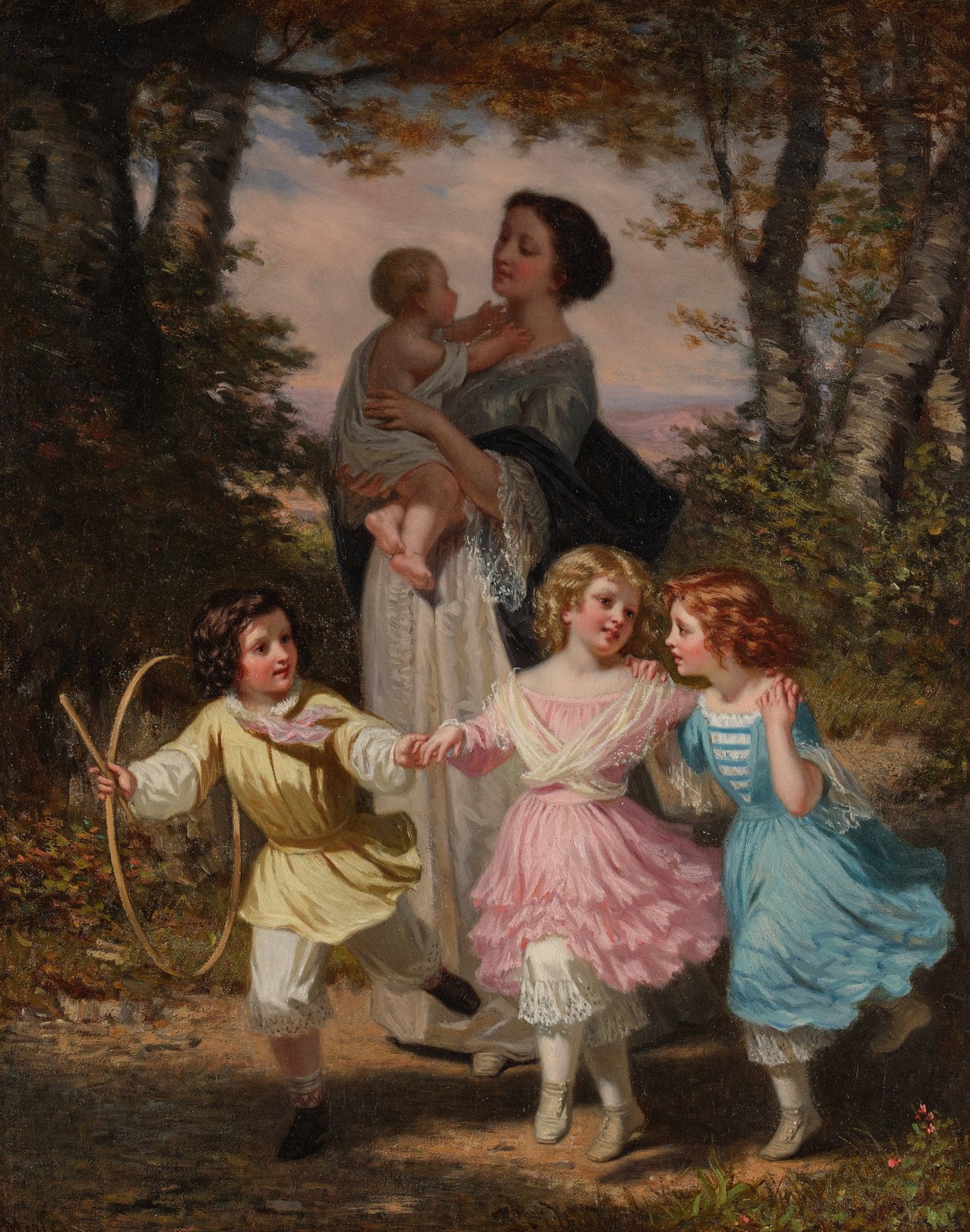
The modern education system, child psychology, youth culture, and the very concept of "adolescence" were not designed from a blueprint. They grew on their own, in the space left behind when labor retreated.
Before children were freed from labor, no one could have foreseen that "childhood" could be something so rich.
Now look at your own life.
The alarm goes off at 6:30. One hour commute. You sit at your desk, open your laptop, process emails, write reports, sit through meetings, and revise proposals. How much of this time is spent on things you yourself know an AI agent will soon be able to do in minutes?
At 6 PM, one hour commute home. Half an hour with the kids. Dinner. By then, you're too exhausted for anything but collapsing on the couch and scrolling through your phone. On weekends, you want to do "your own thing," but you realize you don't know what "your own thing" is. Monday, the alarm goes off again.
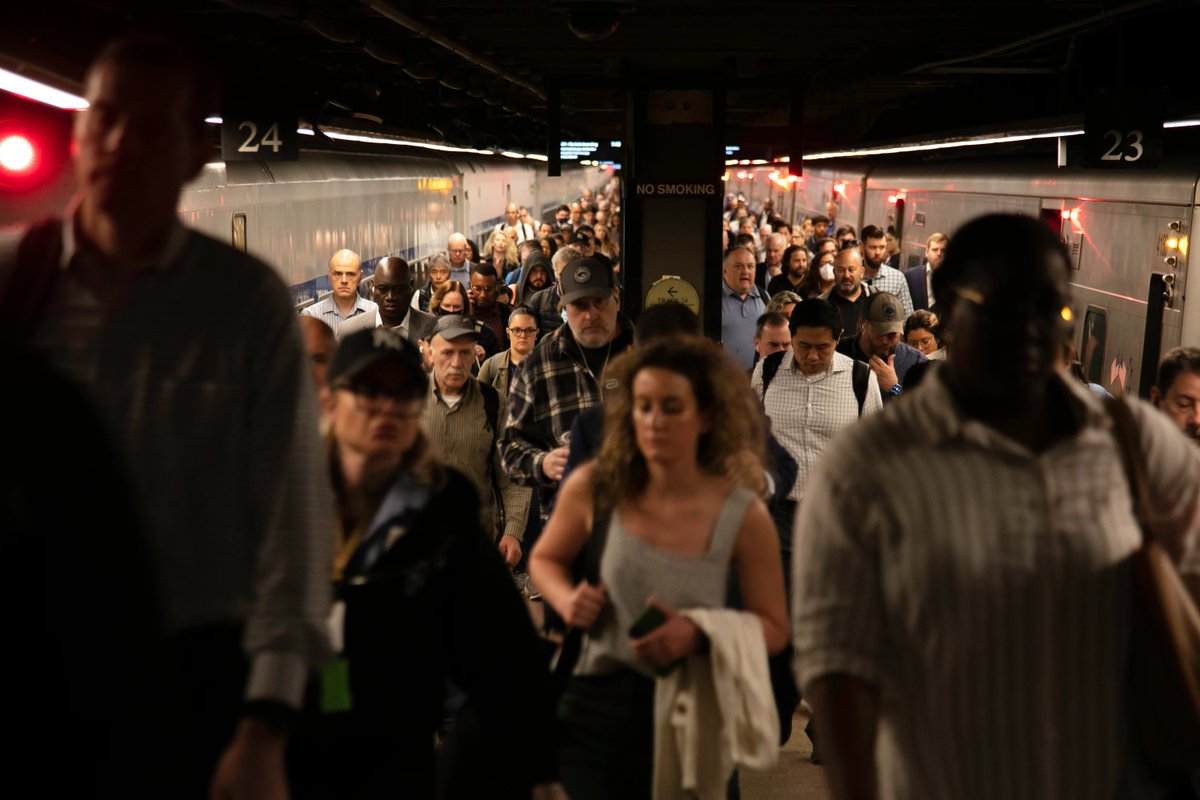
Your identity is your job title. The first question you ask a stranger is "What do you do?" Most of your social circle is colleagues, connections that are, at their core, instrumental. Your schedule is set by your company. Your learning is directed by market demand. In your early twenties, you chose a specialization, and you'll spend forty years going deeper—not because you loved it for forty years, but because specialization is the only thing that pays. The most alert, energetic hours of your life are consumed in enormous quantities by work that is repetitive, depleting, and leaves no lasting trace.
If people in the future look back at this way of living, what will they see?
Probably something close to what we feel when we see a four-year-old dragging a coal cart through a sixteen-inch tunnel: completely normal at the time. In hindsight, an enormous waste of human potential.

We assume this is just "what adult life is." In the same way, medieval people assumed children were simply "miniature adults."
But maybe adult life, like medieval childhood, is a form that has been severely compressed and distorted by labor. We can't see the compression because we have never seen what it looks like uncompressed.
Gopnik's explore-exploit framework reveals one specific dimension of this compression.
Childhood is the explore phase—broad search, tolerance for failure, openness to possibility. Economic pressure demands that you permanently switch to exploit mode in your early twenties—pick a path, maximize returns. Once you switch, there is almost no going back. A forty-year-old who decides to abandon their specialization and explore an entirely new field is seen as immature, irresponsible, and "wasting time."
Not because exploration has no value at forty. But because economic reality doesn't allow it. You need continuous output to feed yourself and your family.
After child labor disappeared, children regained the right to explore. But this right comes with an expiration date: by your early twenties, you must switch to exploit mode, and you are never permitted to return.
AI's displacement of labor may cancel that expiration date.
Not because people will drift in aimless exploration forever. But because people will finally be able to move freely between explore and exploit across an entire lifetime, diving into a completely new field at fifty, beginning an entirely new body of creative work at seventy.
Not because "you're retired with nothing to do," but because that is what the full arc of human cognition was always supposed to look like. An arc that has been truncated for thousands of years.
But here is a critical caveat.
Freedom does not automatically become growth. Open space does not automatically get filled.
Imagine the dark version. AI replaces most labor. People have vast amounts of time. But there is no structure to receive that time. No challenge, no feedback, no escalating difficulty, no sense of growth. You wake up, and nothing needs you today. Or tomorrow. Or the day after. You pick up your phone. The algorithm knows your dopamine pathways better than you do. You start scrolling through short videos. One hour passes. Three hours pass. A day passes. You feel a kind of emptiness you can't name, not hunger, not fatigue, but something deeper: your abilities are atrophying, your judgment is degrading, you are becoming a more passive consumer instead of a more complete human being.

This is not science fiction. This is the lived reality of many retirees today.
History confirms it. Modern childhood did not emerge from "doing nothing." It took shape over more than a century, supported by compulsory education, children's literature, developmental psychology, changes in family structure, and community institution-building. Seeds need soil to germinate. Without these structures, children freed from factories simply became street urchins—a problem nineteenth-century cities knew all too well.

Children needed schools and playgrounds to have a childhood. Adults freed from labor will need something new in just the same way.
A new kind of environment. One where people can face real complexity, make decisions that carry consequences, and develop capacities that only grow through lived experience. Not to make a living. But to become something they don't yet know they can become.
In 1830 England, if you asked a factory owner, "What would children do if they didn't work?", he would probably say, "Loaf around? Cause trouble?" He could not have imagined that a hundred years later, there would be child psychology, Montessori education, young adult literature, and youth sports leagues. Not because he lacked imagination, but because his entire cognitive framework was built on the premise that a person's value comes from productive output. Within that premise, "not working" can only equal "useless."
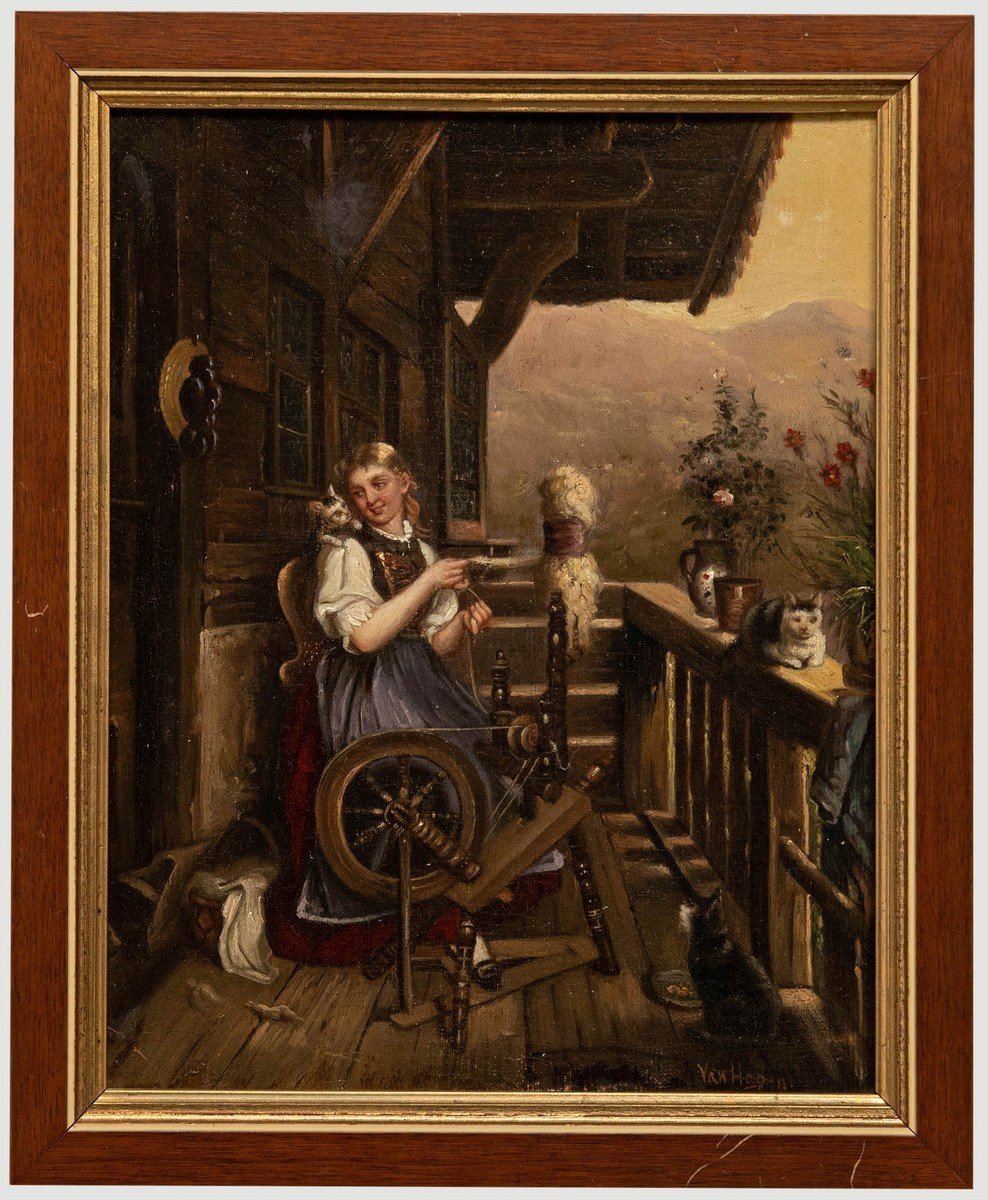
In 2025, if you ask someone, "What would you do if you didn't have to work?", most can only come up with "Travel? Play video games? Lie flat?"
We, too, live inside a premise. We just can't see it, the same way a fish can't see water.
The disappearance of child labor revealed childhood, an entire stage of human development that had been completely hidden. Before it was released, no one knew it existed. After it was released, it took us over a hundred years to even begin understanding how rich it was.
The disappearance of labor may reveal something equally profound. Not "leisure." Not "retirement." But a dimension of human life that has been compressed by work for thousands of years: a way of being that we do not yet even have the language to describe.

Maybe people in the future will give it a name, the way we gave a name to "childhood." A single word, capturing an entire stage of life we have never seen.
When that day comes, they will look back at how we live now the way we look at those shrunken adults in medieval paintings—and they will find it unbelievable: How could you possibly have thought that this was all life could be?
